
Applications
— CATALYSIS IN ACTION
Enabling the processes behind modern life
Catalysts are essential to modern industry. They make chemical reactions faster, more efficient and more selective, enabling the production of countless products we use every day.
From fuels and plastics to medicines, fertilisers and renewable energy technologies, catalysts help industry use resources more efficiently, reduce emissions and develop innovative solutions for a more sustainable future.
— THE POWER OF CATALYSIS
Small quantities. Big impact.
Catalysts enable chemical transformations that would otherwise be too slow, energy-intensive or inefficient to be commercially viable. By accelerating reactions without being consumed in the overall process, they help manufacturers optimise production, improve product quality and reduce waste.
Their applications span a wide range of industries, making catalysis an important technology for Europe's industrial competitiveness and transition towards a more circular, low-carbon economy.
Where catalysts make a difference
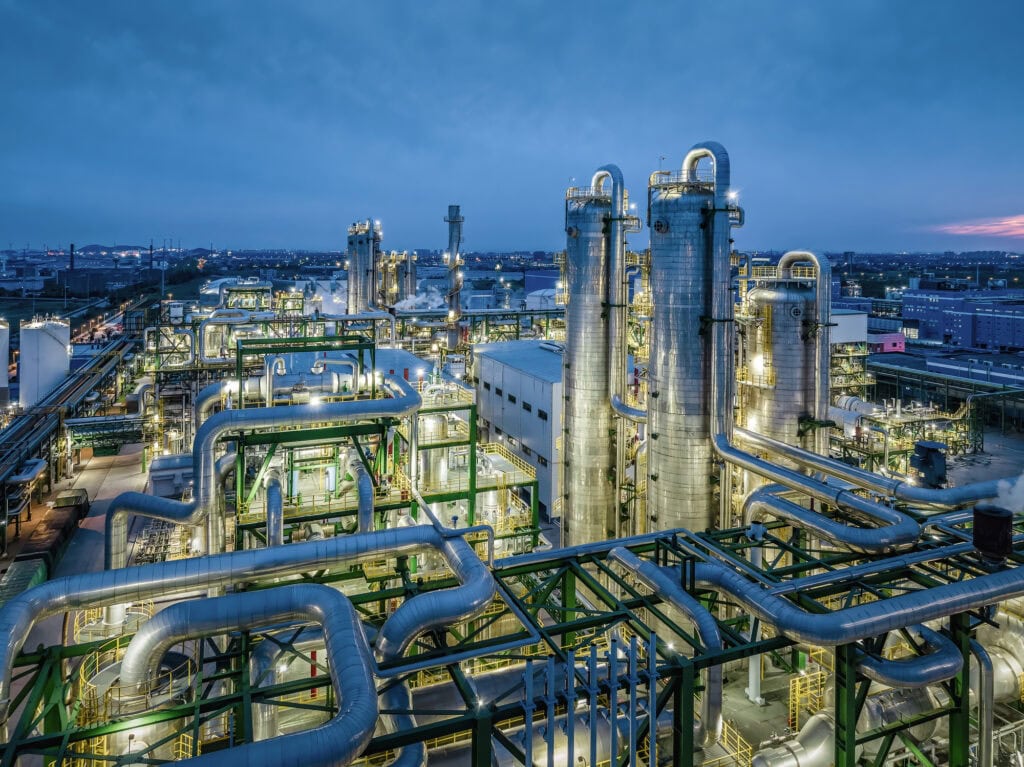
Catalysts are at the heart of chemical manufacturing. They enable the efficient production of essential chemicals, polymers and specialised materials, helping industry achieve higher yields, greater precision and more efficient use of energy and raw materials.
Petrochemical catalysts
Enable the transformation of hydrocarbon feedstocks into essential chemical building blocks used in plastics, textiles and countless industrial products.
Polymer production
Help control the production and properties of polymers such as polyethylene and polypropylene, enabling materials with different characteristics and applications.
Fine chemical catalysts
Enable precise and selective reactions in the production of pharmaceuticals, agrochemicals, fragrances and other high-value specialty chemicals.
Oxidation and dehydrogenation catalysts
Support important chemical transformations used to manufacture industrial intermediates and materials.
Sulfuric acid catalysts
Enable the efficient production of sulfuric acid, a fundamental chemical used in fertilisers, chemical manufacturing and many industrial processes.

Catalysts play a crucial role in the production, processing and transformation of fuels and energy carriers. They help improve fuel quality, enable hydrogen and synthetic fuel production, and support the development of lower-carbon energy systems.
Fluid catalytic cracking (FCC)
Converts heavier petroleum fractions into lighter, more valuable products, including gasoline components and chemical feedstocks.
Converts heavier petroleum fractions into lighter, more valuable products, including gasoline components and chemical feedstocks.
Removes sulfur and other impurities from fuel streams, supporting cleaner fuel production and compliance with environmental standards.
Removes sulfur and other impurities from fuel streams, supporting cleaner fuel production and compliance with environmental standards.
Enables the conversion of feedstocks into synthesis gas, an important intermediate for producing hydrogen, methanol, ammonia and other chemicals.
Power-to-X
Supports the conversion of electricity-derived hydrogen and other inputs into products such as synthetic fuels, methanol, methane and ammonia.
Fuel cells
Enable electrochemical reactions that convert hydrogen and other fuels into electricity, supporting applications in mobility, stationary power and industry.
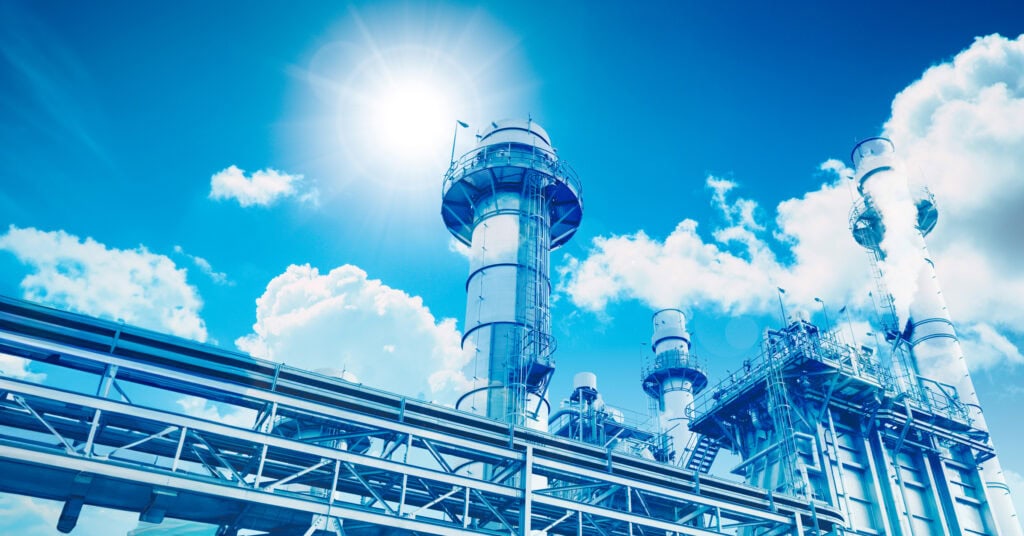
Catalysts help industry reduce emissions, improve environmental performance and comply with increasingly demanding environmental standards. By enabling more efficient reactions and removing harmful pollutants, they contribute to cleaner industrial processes.
Industrial emissions control
Catalysts help reduce pollutants such as nitrogen oxides (NOx) and volatile organic compounds (VOCs) from industrial exhaust gases.
Cleaner fuel production
Catalytic hydrotreating removes sulfur from fuels, helping reduce sulfur oxide emissions during combustion.
Resource and energy efficiency
By enabling reactions under more favourable conditions and improving selectivity, catalysts can reduce energy consumption, unwanted by-products and raw material use.

Catalysis is an important enabler of circular and bio-based production. It helps transform waste streams and renewable raw materials into valuable products, supporting more efficient resource use and new industrial value chains.
Chemical recycling of plastics
Catalysts can help break down certain plastic waste streams into smaller molecules that can be used to produce new chemicals and materials.
Biorenewables
Enable the conversion of biomass and other renewable feedstocks into fuels, chemicals and materials, supporting alternatives to fossil-based production.
Oleochemical catalysts
Support the transformation of vegetable oils, animal fats and other lipid-based feedstocks into ingredients and intermediates for detergents, cosmetics, lubricants and other products.
Catalysts for circular carbon
Help convert captured CO₂, together with hydrogen and other inputs, into useful chemicals and synthetic fuels, where suitable processes and energy sources are available.
— CATALYTIC PROCESSES
How catalysis works in practice
Behind many industrial applications are highly specialised catalytic processes. These examples illustrate how catalysts enable chemical transformations, improve efficiency and help produce essential materials and products.
01
Fluid Catalytic Cracking (FCC)
Turning heavier hydrocarbons into valuable products
Fluid catalytic cracking is a widely used refining process that converts heavy petroleum fractions into lighter, more valuable products, including gasoline components and chemical building blocks such as propylene. Using silica-alumina zeolite catalysts, FCC enables more efficient conversion and improved product yields compared with traditional thermal cracking processes.
02
Hydrotreating
Removing impurities for cleaner fuels
Hydrotreating uses catalysts and hydrogen to remove sulfur and other impurities from petroleum feedstocks, helping produce cleaner diesel, naphtha and other fuel products. Catalysts containing metals such as cobalt and molybdenum enable efficient desulfurisation, helping reduce sulfur oxide emissions and supporting compliance with fuel quality standards.
03
Polymer Production
Creating materials with the right properties
Catalysts are essential to the manufacture of widely used polymers such as polyethylene and polypropylene. Specialised catalyst systems, including Ziegler–Natta catalysts, control how small molecules join together to form polymer chains. This allows manufacturers to produce materials with specific properties for packaging, construction, healthcare and other applications .
04
Syngas Production
Producing essential building blocks for industry
Synthesis gas, or syngas, is a mixture primarily of hydrogen and carbon monoxide used to manufacture important chemicals and fuels. Different catalysts support feedstock purification, hydrocarbon conversion and gas conditioning, helping optimise the production of hydrogen, methanol and other industrial chemicals .
05
Power-to-X (PtX)
Transforming electricity into fuels and chemicals
Power-to-X technologies use electricity-derived hydrogen and other inputs, such as captured CO₂ or nitrogen, to produce fuels and chemicals. Specialised catalysts enable key synthesis reactions involved in producing methanol, ammonia, methane and synthetic fuels, including sustainable aviation fuel pathways. These technologies can help connect renewable electricity with industrial processes and applications that are difficult to electrify directly .
— DRIVING EUROPE'S TRANSITION
Catalysts for Europe's future
As Europe works to strengthen industrial competitiveness, accelerate decarbonisation and build a more circular economy, catalytic technologies will continue to play an essential role.
From improving established manufacturing processes to enabling new technologies for hydrogen, renewable fuels and circular materials, innovation in catalysis is helping industry respond to evolving environmental, economic and technological challenges.
Catalysts Europe represents the companies developing and supplying these essential technologies, supporting innovation, responsible production and a competitive European chemical industry.