
A world without catalysts
— The consequences
A world without catalysts?
Catalysts play a crucial role in numerous industrial processes, environmental protection, and everyday products. Imagining a world without catalysts is like picturing a world where efficiency, speed, and innovation take a backseat. Here’s a glimpse into how different things might be:
01
The Importance of Catalysts
Industrial Processes
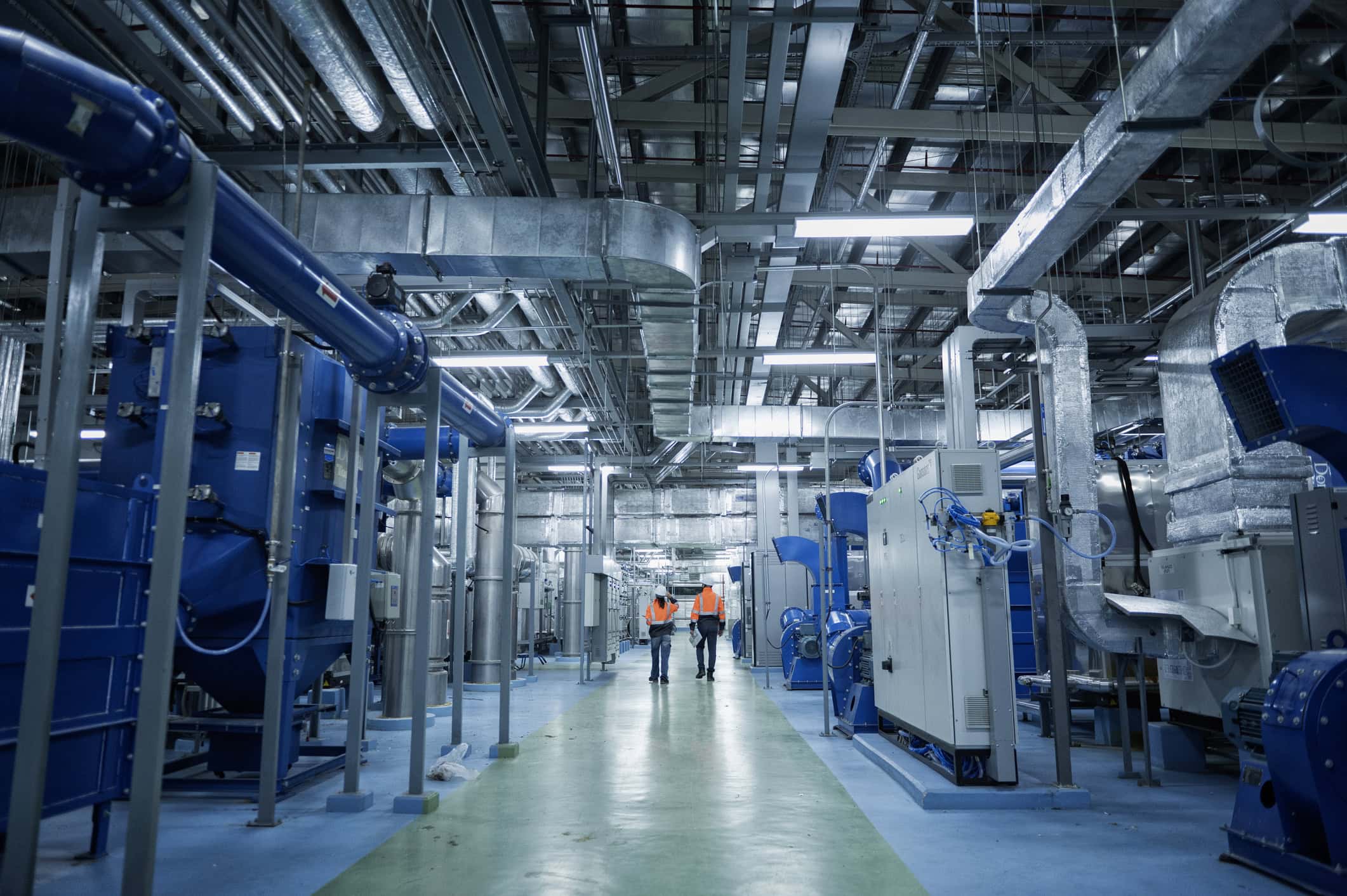
Without catalysts, many industrial processes would be drastically slower and more energy-intensive. Manufacturing ammonia for fertilizers, refining petroleum, and synthesizing countless chemicals would require higher temperatures and pressures, consume more resources and increase costs. The production scale and efficiency we’re accustomed to today simply wouldn't be achievable.

02
Environmental Benefits
Catalysts are centre stage
Catalysts play a vital role in reducing emissions and pollutants. Industrial processes would produce more waste and pollutants, as fewer reactions would occur cleanly and efficiently. Catalytic converters in vehicles, for instance, help mitigate harmful exhaust emissions. Without them, air quality would likely deteriorate, leading to more significant environmental and health issues.

03
Driving Innovation
Everyday Products
Many everyday products rely on catalysts for their production—everything from plastics to pharmaceuticals. The absence of catalysts would mean that these products could be scarcer, more expensive, and perhaps even of lower quality or simply unavailable. The rate of innovation in creating new materials and drugs would likely slow down.

04
Enabling Clean Energy
Energy and Sustainability
Catalysts are crucial for sustainable energy solutions, such as hydrogen production, fuel cells, and biofuels. Without them, progress in these fields would slow, making the transition to cleaner energy sources more challenging and delaying efforts to combat climate change.
05
Enabling Scientific Progress
Scientific Progress
The absence of catalysts would hinder scientific progress. Many research fields, including materials science and biochemistry, rely on catalytic processes. The development of new technologies and medical treatments would be slower, impacting overall technological and medical advancements. In essence, a world without catalysts would be less efficient, more costly, more polluting, and less innovative. Catalysts are the unsung heroes behind many advancements in modern society, driving both technological progress and environmental sustainability.